Last Saturday, I had a wonderful time with a Swiss volunteer at the Singapore Art Museum’s (SAM) Living Objects exhibition. We immediately connected over our shared interest in the creative exploration of spirituality through art. Our conversation was inspiring, and we exchanged many profound perceptions.
Despite her young age, she had already explored a 10-day Vipassanā silent meditation retreat in the UK. Like many modern seekers, she displayed a brave spirit for both inner and outer exploration. Her beautiful, engaging spirit and bright eyes truly reflected her journey. This courage to dive deep into inner exploration isn’t unique to her; many brave seekers are fearlessly pursuing it through various meditation and spiritual practices worldwide. This trend is growing precisely because the world is becoming more chaotic than before.
Why So Many Are Packing Their Bags for Inner Journeys
In the West, there’s a growing trend of people embarking on inner exploration journeys. People are diving into ashrams, monasteries, or seeking soulful solitude in nature. I, too, have explored this, having spent two days in stillness exploration alone on Bintan, a beautiful, tranquil Indonesian island.
These deep inner silence experiences often bring profound calm and peace. Yet many of us face a familiar challenge afterward We treat this newfound clarity as a temporary escape rather than a way of life. Once we return to our routines, the old pace and pressure take over, and the energy we gained slowly fades. The peace isn’t lost; it’s simply never woven into our daily reality.
When Awareness Fails to Sustain
Many seekers embrace silence in a retreat or in nature, marvel at the inner sensation of tranquility, and then return to their real, “busy” lives. This is where we often fail to sustain the peace and calmness we’ve gained.
For many, this journey begins during times of struggle, loss, uncertainty, or suffering. When life hits hard, some seek spirituality as a comfort. Others may lose trust in God or their religious faith because their consistent prayers for a problem-free life were unanswered. When problems arise, the rational basis behind their prayer is questioned, causing them to drift from religious spirituality.
Moreover, the modern world teaches us to adapt to changes, learn from experience, and move on quickly without taking pause for self reflection on what they have learned. Some are escape from accepting their pain and resort to coping mechanisms to numb their feelings. This often happens because they lack a supportive environment to nurture their emotional wounds or share their true feelings and vulnerability. Consequently, they lose a good opportunity to convert that suffering into an awakening experience. Our broken families and destructive addictions can also pay a toll, making this journey a coping mechanism rather than a natural awakening.
The Power of Gained Awareness
Many spiritual explorers excel at gaining awareness from silence. This practice helps bring subconscious fears, worries, and emotional wounds to the surface. It allows us to calm down and sense the flood of thoughts without clinging to them or engaging with them.
We improve our awareness of how to live mindfully and how deeply our body and mind are connected. We improve our sensitivity and start to listen to our inner questions.
This is all crucial, but often, our spiritual exploration stops right here—at this baseline camp of mindfulness and the wonder of spaciousness.
Slow Living: The Path to Sustainable Awakening
We need a more sustainable lifestyle that can leverage this base-camp experience and take it to the next level. We need momentum to integrate that improved awareness and awakening into our everyday reality.
Instead of confining peace and calmness to a small block of time, we need a lifestyle that expands our awareness and helps us live in an awakened state. The wisdom we gain should guide us toward fulfillment, clarity, deep connections, and inner joy. This is the essence of Slow Living. Many people know the truths, yet they fail to connect the dots between those truths and the courage it takes to live them.
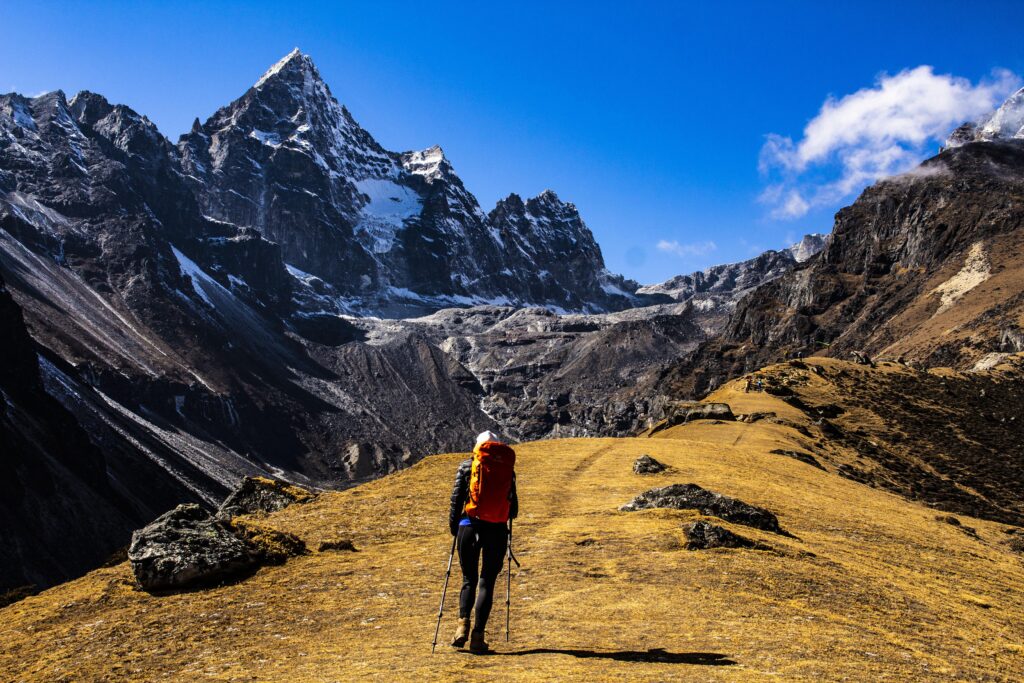
Slow Living provides the structure needed to transition from the awareness of silence to the wisdom of living mindfully. My upcoming book and articles are dedicated to helping you find your unique spiritual path to take you to the “top of Everest” with the right tools. We need the patience, courage, and bravery to:
- Lead your unique path.
- Face the truth without sinking into mediocrity.
- Challenge social norms if they’ve drifted from your conscious liberation.
- Convert your suffering into an awakening experience.
Climbing from the Baseline Camp of Suffering
Slow Living helps to nurture your emotional wounds and find a better way to pray, to ask better questions to gain better answers. Instead of, “God, please protect me from suffering,” you begin to ask, “God, please help me to find meaning in this suffering.” Our spiritual exploration often ends at the baseline camp of “Protect me from suffering.”
We need the courage to climb from that suffering. Instead of getting stuck in “Why did this happen to me?”, you need an awakening spirit to lead a sustainable life with clarity, integrity, and deep connection through gained wisdom. Awakening is an uplifted experience. Our life and spiritual exploration should all help us build this awakening momentum. Slow Living is the right path to anchor this shift.
When I was at this base camp of calmness and peace through mindfulness, I wasn’t fully satisfied. When I returned to my real life, facing adversaries and evaluating my connections and values, I realized I needed a sustainable momentum. Only then could I say my life was truly “Being Lived.”
From Base Camp to Summit: The Journey of Sustainable Awakening
Slow Living is a unique lifestyle for everyone. For spiritual seekers, it is the full awakening from the baseline camp of mindfulness. The Slow Living concepts I share are designed to cultivate a growth mindset that balances spiritual depth with logical and critical thinking.
If we don’t have a sustainable lifestyle to implement our gained wisdom, all our awareness gets lost in the rush; it disconnects in our busyness or when other priorities flood our life. In today’s reality, it’s not a lack of knowledge, but how to sustain that momentum that is important.
Everyone knows the importance of the present moment, but without training through meditation and mindfulness, you easily fall into mobile scrolling and distraction. The same is true for spiritual growth; if it’s falsely directed, you end up in fear, guilt, or dogma.
Slow Living is also the same. It requires the right direction that can adapt to the realities of the modern world. If it’s taught as being totally disconnected from today’s reality, then it will feel outdated.
Follow me here. The Slow Living principles I share have been lived and tested in the heart of Singapore’s fast-paced rhythm, even as I chose to move at a slower, more mindful pace while working full-time as a DevOps Architect in cutting-edge technology. These ideas are deeply researched, and grounded in a sincere commitment and mission to help society grow toward a more conscious and humane civilization.
Stay tuned for more on how to incorporate Slow Living into your life and connect your true awareness of realities into a better you tomorrow.