
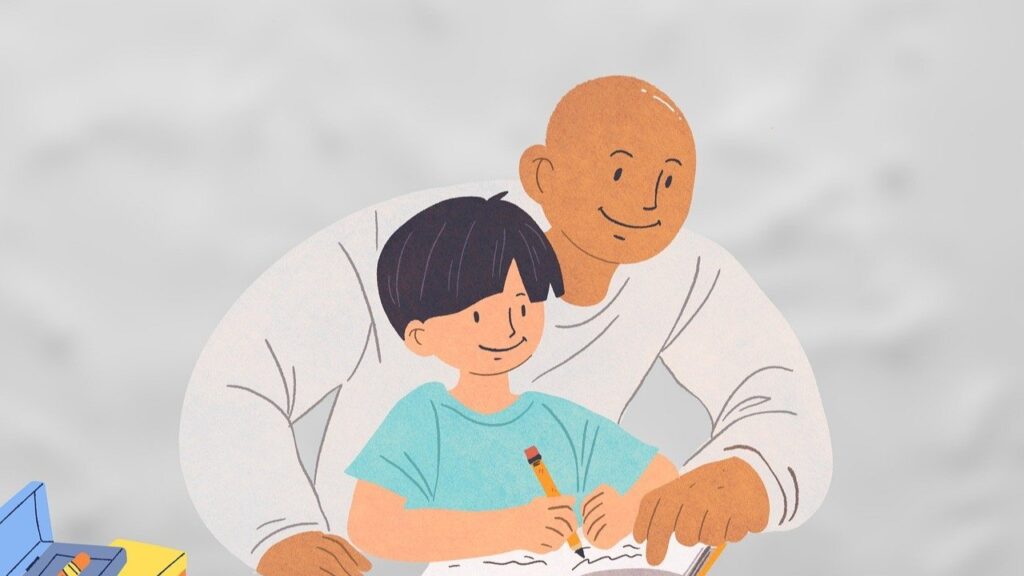
We love those sweet moments with our children—laughter at the dinner table, bedtime talks, shared little joys. Yet, behind them persists a worry: how do we prepare our children for today’s complex world?
When a child starts underperforming, hiding parts of their character, staying up late scrolling, or becoming quiet in the family, alarms ring inside us. As adolescence begins with the season of identity transformation, parents often face friction, confusion, and even heartbreak.
The Trap of Control and Fear
Many parents respond by tightening control, lecturing, or leading with fear. At first it looks effective. But sooner or later, it bounces back as rebellion, distance, or a narrow view of life. Children need freedom to explore, to learn from other cultures, to grow curiosity. At the same time, parents are right to worry: adult content, social media distractions, substances dressed up as “cool,” and peer pressures are everywhere.
So how do we guide them without shadowing every step?
A Lifelong Personal Assistant: Journaling
We cannot be our child’s personal assistant forever. Life moves through seasons—success and failure, sorrow and joy. Along the way, they face peer pressure, FOMO, the need for validation, and shifting moods. In today’s value-diminished society, children are often encouraged to follow their own intuition. But what happens when that intuition lacks clarity or isn’t guided by awareness? Don’t worry—there is a simple, lifelong tool you can introduce to them in early childhood: a personal journal.
Unlike constant correction or micro-management, journaling helps children regulate emotions, process thoughts, cultivate self-love, and restore focus. It gives them a pause button, a mirror, and a compass—without us standing over their shoulder. When parents face relationship crises, or when children encounter academic stress, isolation, or doubts about self-worth, journaling allows them to navigate these struggles on their own. Instead of compromising their values or turning to instant gratification as an escape, they learn to regulate themselves with clarity and resilience.
Why Journaling Matters Early
Introduce journaling while they are still young. It becomes a trusted practice, not a forced chore. For parents who’ve never tried it themselves can learn it first. Journaling helps with distraction logging, emotional regulation, clarity of thought, and resilience.
Think of it like the gym. We hire trainers for our physical health. For emotional, mental, and spiritual health, a journal is their personal trainer. Top athletes, leaders, and creative minds all rely on it. Children deserve that same tool.
Adolescents today face immense pressure and are highly vulnerable to destructive coping mechanisms. Drugs and vaping are often introduced to them as sweet, attractive shortcuts—promising energy for sleepless nights spent finishing assignments, boosting performance in sports, or numbing emotional pain. The emptiness is then filled with long hours of solo gaming or pornography used to satisfy curiosity. Personal journaling helps them to process emotions, name struggles, spark creativity, and anchor themselves to truth and personal values.
Practical Ways to Journal
In Julia Cameron’s book The Artist’s Way, she talks about Morning Pages. I also turn to this practice whenever my thoughts feel clouded or I need to process my emotions. The idea is simple: write two or three pages each morning, pouring out thoughts, emotions, and distractions until the mind feels present. There’s no need for structure or beauty—just your raw emotions on your personal journal.
Journaling can leverage for many purpose: distraction journaling, idea capturing for clarity, memory dumping, brain mapping, or prioritizing the to do list . In one interview, Piyush Gupta, former CEO of DBS Bank, explained that effective prioritization comes from knowing how to differentiate between what’s urgent and what’s truly important. Many of us get overwhelmed in that confusion, but finding clarity here helps sharpen focus and make real progress in managing our time.
Make It an Experience
Children stick with journaling when it feels inviting. Set the environment: a diffuser, a candle, a quiet corner. Encourage them to decorate journals with sketches, colors, or personal touches. Turn it into a ritual, not a rule. When the space feels sacred, the habit becomes sustainable.
Journaling as Self-Respect
Childhood can carry hidden wounds—bullying, parental absence, discrimination, even deeper trauma. Some times they fall into early relationship without clarity what they looking for. A journal offers a private, respectful space to heal, process, and re-center. It teaches them self-worth and ownership of their inner world.
Not Just for Girls
Some parents think journaling is “for girls.” In reality, boys may need it even more, as their emotions are often ignored or buried. Without outlets, they turn to destructive escapes: endless gaming, substances, pornography. Journaling helps them ground themselves, stand for values, and sometimes walk the lonely but right path.
Clearing Misconceptions
“Journaling is for introverts.” False. Many successful leaders and creatives—outgoing or reserved—use journaling to declutter, heal, and move forward. Give your child a physical notebook, a good pen, and the freedom to use it their way. Encourage, reward, and above all, respect the practice.
Conclusion
Children may not yet grasp the language of “slow living,” but they can feel it through what we model. By encouraging reading and giving them a personal journal as a quiet companion, we offer tools they can return to in moments of need. When they witness integrity and honesty in our daily lives, they absorb it without lectures. In this way, we sow seeds of a healthier society—not by blaming generations or despairing over the future, but by owning the responsibility of parenting with clarity and hope.
Practical Step:
Gift journals instead of sweets. For birthdays of your child’s, a friend’s, or family, pack a box with a journal, a storybook, a good pen, a couple of HB pencils, and an art book. Wrap it beautifully. Unlike chocolates or sweets that disappear in a day, these gifts become lasting companions.
Make journaling fun. Take your child to a nearby art store. Pick out stickers, colored pencils, or washi tapes—small things that make writing and drawing playful.
Visit the library together. Explore the children’s section side by side. Don’t frame it as “you should read.” Go as friends exploring together. When it feels like discovery instead of instruction, curiosity blooms naturally.
Choose experiences on weekends. Instead of just signing them up for extracurricular activities, take them to art fairs, book festivals, or creative workshops. Parenting is not just about managing schedules; it’s about togetherness, imagination, and memories that shape them.
Carry books instead of screens.On family lunches or outings, bring along a storybook or cartoon book. Let their childhood be filled with stories and sketches rather than mobile videos. The cost is small, but the impact is lifelong.