
Learning From Ritual Culture in Modern Life
We have something to learn from ritual culture in our modern lives if we really want inner fulfillment and satisfaction in all walks of life—including our professional life. When we mix emotion with our activities, we begin to experience deeper meaning, a sense of calm, and lasting memory.
There are many ways to bring rituals into daily life instead of falling into a “to-do list” mindset. In a fast-paced world, everything pushes us to rush. Modern productivity hacks encourage us to add more into our subconscious by stacking more habits. Yes, you may achieve more in a productivity sense, you may become faster—but when you look back, you may realize you forgot to sense the journey. That is today’s real problem.
We sit with family members at the same table, yet we don’t value that precious time—we scroll through our mobile phones while eating. We may have a loving partner, yet fail to create the simple ritual of an evening walk or moments of deep connection that could bring us into wholeness. We might be living in a naturally beautiful place, but we have not learned to be mindful and truly enjoy the present moment. We might have time, but miss the chance to build a morning reading ritual. The subtle difference between habits and rituals lies in how we add emotional elements to them.
We sometimes follow rituals only to obey rules, to please parents, or to meet society’s expectations. But this is the time to take an inward look at those faded rituals and bring back liveness into them. If your inner values are not aligned with the actions you’ve been repeating for years, then it takes courage to shift. Choose authenticity. Choose to live with what truly matters.
How to Convert Habits Into Rituals
If your life feels messy, stressful, chaotic or drifting without control or structure, I suggest reading James Clear’s Atomic Habits. He clearly explains how to create a habit stack using cue, craving, response, and reward. This helped me establish many good habits in my early years. But at the same time, his direction leans toward productivity—toward adding more tasks to complete. The fast world rhythm follows that same push.
If you want life fulfillment, inner joy, and true satisfaction—if you want to connect the dots through intentional living—you must learn how to realign those stacks into rituals. In rituals, you bring consciousness to your action and presence. You add environmental context, like a specific place, a mug, or a table for a dedicated purpose.
In my slow living style, I enjoy wearing aesthetic linen-cotton shirts and pants. I use a fine diffuser (I love Hooga) to give a sensory context to my rituals. In my deep work at home or during sunset rituals, I let the diffuser run—it gives real calmness and deep focus. Inner satisfaction comes when you learn to make your actions a “lived experience.” Otherwise, you risk living by others’ definitions of success or drifting without truly feeling life.
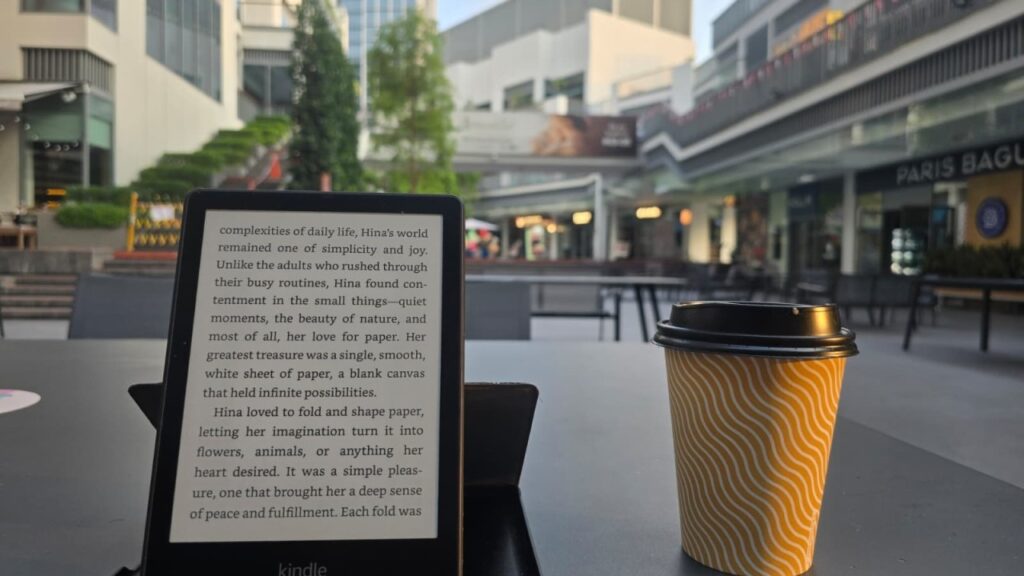
In my personal life, mornings are sacred. I spend one hour reading or writing with a cup of tea in an open coffee shop. Before that, I follow a self-care ritual, applying creams to my face and skin. After coming home, in the short window before going to the office, I play Buddha Lounge music on Spotify—my secret calmness ritual, shaped by life’s bitter experiences. That simple rhythm sets my day with great satisfaction.
At the office, I’ve learned to notice my deep focus times. I use two or three prime sessions that usually last more than an hour. For breaks, I take 5–10 minutes with a double-shot espresso, beach lounge music, or white noise (Starbucks white noise playlist works well). On weekends, I practice solitude retreats (as I wrote in a previous article), family time, and deep work—all anchored by rituals that add emotional connection. Shared rituals—spending time in nature, being with your kids, or simply playing—create lived and memorable experiences.
When life is only about productivity, we miss the value of play, connection, and presence. If you want real relationships, ritualize your family time, your creativity, your personal care, and even your professional work. Let the world rush with its rhythm. We pause, we realign to our own rhythm, and we create a lived experience. This naturally reflects in the people around us—through deeper communication, attentive detail, and authentic presence.
Slow Living is an invitation to lead your life in an authentic way—by living in alignment with your values, nurturing a growth mindset, and building connections at a deeper level, all at your own pace. When we finally look back on life, the time we spent with people will feel real. Our children will carry pride in our parenting because we gave attention and time to their curiosity and growth. Our work will be appreciated because of the dedication, focus, and attention to detail we brought—which naturally grows into leadership. Our slower pace allows us to nurture feelings, practice self-care, and foster creativity. This is the right direction toward a true being experience—and it is this that brings deep life satisfaction.
Practical Steps to Ritualise Your Day
Divide your time into blocks. Break your day into 3 or 4 natural parts—morning, office hours, evening, and night. Brainstorm ways to incorporate liveness into each block through meaningful rituals.
Name your rituals: Giving rituals a name adds identity and weight. For example, I call my morning/evening walk Buddha Walk—it reminds me to be present and sense every step with mindfulness. My weekend cycling is Date with Canyoni (yes, that’s my cycle’s name 😊).
Add emotional context: Make rituals lived experiences by layering colors, smells, textures, or sounds. A candle, a diffuser, a favorite shirt—anything that adds emotional depth. The more context you bring, the longer the ritual lasts in memory and meaning.
Reframe your habits: List out your addictive habits. If they are constructive, realign them into rituals. If they are destructive (like smoking, alcohol, or drugs), detach the emotional elements attached to them so they lose their power. Reduce easy availability and add friction. Personal journaling is powerful here—it helps rewrite addictive patterns that are deeply emotional, psychological, and physical.
Protect deep focus time: At work, identify your peak focus hours. Schedule meetings outside of those windows. If your deep focus is in the morning and evening, then keep meetings within a 2–4 pm block. This way, your most productive hours are reserved for meaningful work.