Slow living did not come into my life spontaneously. I was like you—my time was heavily distracted by news and social media, spending countless pockets of distracting time checking statuses and group updates. The same cycle kept repeating. In between family responsibilities and office work, everything was mixed together. I think most people live in the same flow.
On top of that came the stress of career safety in a volatile, fast-changing landscape where cutting-edge technologies demand constant upskilling. That has become part of our survival instinct as well. Life’s rush doesn’t stop there. The world is more open than before, and opportunities for skilled migration are everywhere. Many try to use that advantage, chasing a dream paradise to settle their lives.
Some gain permanent residency in Singapore but are still unsatisfied, exploring Ireland, then Australia, or aiming for Canada and the USA. Others even return after decades of living abroad. I was no different. I was close to getting a family visa to migrate to New Zealand, but for one legitimate reason, that plan was rejected.
That incident opened my eyes. Until then, I was in “fly mode.” My career was advancing into cutting-edge technologies. I was reaching the final interview rounds at Apple Singapore, and getting calls from Germany and Hong Kong. My confidence was at its peak. Discipline, fast learning, optimized time management, and strategic thinking not allowed to compromise in small world. I was preparing myself for which dream country to settle in.
This is the same path many expats and IT professionals around the world chase as the definition of success. But that “legitimate reason” brought disappointment for my family and forced me to pause my flying mode. It took me a few days to accept that reality, but it gave me an opportunity to look inward. Very honestly, that moment was a game changer.
It doesn’t mean you need to wait for some grand event to force you to look inward. You don’t need a heartbreaking divorce, the loss of someone in your family, or a sudden layoff to gain that insight. You don’t need to be born with an introverted personality, or wait for retirement to reflect. If life’s situations were enough to change people, then the world wouldn’t struggle this much in chaos.
Why Spaciousness is Needed
People often search for instant solutions to cope with hard realities and bitter experiences. Our common ways of dealing with stress, burnout, or emptiness are usually numbing the feelings, escaping from reality, or falling into destructive addictions. It may show up as endless scrolling, watching porn, seeking relief in games, casual relationships, or living by blaming destiny. Many in midlife encounter such painful realities. Yet instead of transforming pain into wisdom, they surrender to it.
Slow living offers a sustainable and modern art of life that speaks across cultures. The framework I created is universally adaptable—teaching you to find a slower pace, then to live with what truly matters, and finally to transform it into the rich experience of personal liberation and spiritual enlightenment.
Most of the great decisions in life are born in the soil of silence. Clarity in your ideas, depth in your relationships, healing for your emotional wounds, and the surfacing of your inner questions—all require spaciousness. Your creativity blossoms in silence. Patterns within you start to shift when you learn to explore it. Hope in life is nurtured in that silence, if you know how to craft moments of solitude. Leonardo da Vinci spent hours alone observing, sketching, and reflecting. His journals show how silence was his laboratory for creativity.Warren Buffett protects quiet, unstructured hours every day for reading and thinking, calling it his most valuable practice.Steve Jobs often credited his long silent walks and Silent time for reflection and shaping Apple’s most creative breakthroughs.
Yet in an achievement-driven modern society, we have drifted away from this inner experience. We have kept closed the very door that unlocks fulfillment, joy, and the true art of living. Without finding spaciousness, how can you pause, reflect, and grow from your experiences and learnings?
If you are not ready to settle for less than greatness, then you need to learn to take ownership of your life. If you want integrity and authenticity, you must create space. Patience, trust in your intuition, and the ability to shape your life with a holistic approach are all art of slow living. Protecting your boundaries, managing your emotions, and holding your anger and sorrow—these too require spaciousness. Its absence is one of the biggest crises of the modern world.
We think that moving faster helps us achieve more and see more of life. That belief shows up in our communication, our walking, and nearly every aspect of life. Our mantra is “more, fast, and productive.” We don’t waste a single minute—whether on music, media, or social platforms. We think that doing more in a day brings more satisfaction.
When I applied habit stacking after reading James Clear’s Atomic Habits, I too thought the same. But at the end of the day, the feeling remained unchanged. There was no real sense of inner satisfaction. In the alpha generation, the tendency is even stronger—they dislike deeper conversations, craving only quick results. Conversations rarely lead to a sense of connection, as if they expect results as instant as ChatGPT.
This leaves many parents disconnected from their children, and many children struggling to build deeper relationships—often falling into isolation. In Singapore, it’s common to see families scheduling relationship time into calendars. Most of the time, our inner world is struggling to breathe as we try to cope with the fast pace. Many think this is simply what life is, and accept the flow without creating pauses for reflection and realignment.
A Promising Path Forward
Instead of saying, “My kids are of different ages, so I can’t build deep connections with them,” or “My life is too messy, it can’t be fixed,” or surrendering to destructive addictions like drugs or alcohol—I offer you a promising path. A path to find hope in your life, to pace yourself toward intentional living, and to build the courage to live in your truth.
Even if you have lived a miserable life, endured failed relationships, compromised under narrow-minded frameworks, surrendered to narcissistic people, or grieved deeply over mistakes and missed opportunities—it’s okay. Life is still waiting for your new beginning. There is always a path forward to regain strength, the bravery to face silence, and the courage to live with what truly matters.
We cannot change the wave of digitalization, nor can we ignore the era of AI. But we can choose a lifestyle that helps us navigate modern problems and challenges with resilience. You may not have heard of slow living in the past, or seen it in philosophy books, religious scripts, or inherited traditions. It may not have come from your family, teachers, or society. Yet, to thrive in the modern world and find fulfillment, we need a modern solution.
The slow living framework I created is not new—it is deeply rooted in ancient wisdom. But the way we adapt it into today’s world is the key. It is not empty philosophy. It is a way of life, blending timeless wisdom with practical living, guiding us toward clarity, connection, and fulfillment. It is a framework that makes it universally possible for anyone to find their own pace, and from there, to experience inner joy and a meaningful modern life.
Practical Steps to Cultivate Silence and Spaciousness
1) Daily Silent Sitting: Sit in silence without forcing your thoughts or directing your energy. Notice what comes up in your mind and write it down in a personal journal. Make this a daily habit. It helps bring emotions from the subconscious to the surface, allowing them to be processed and healed.
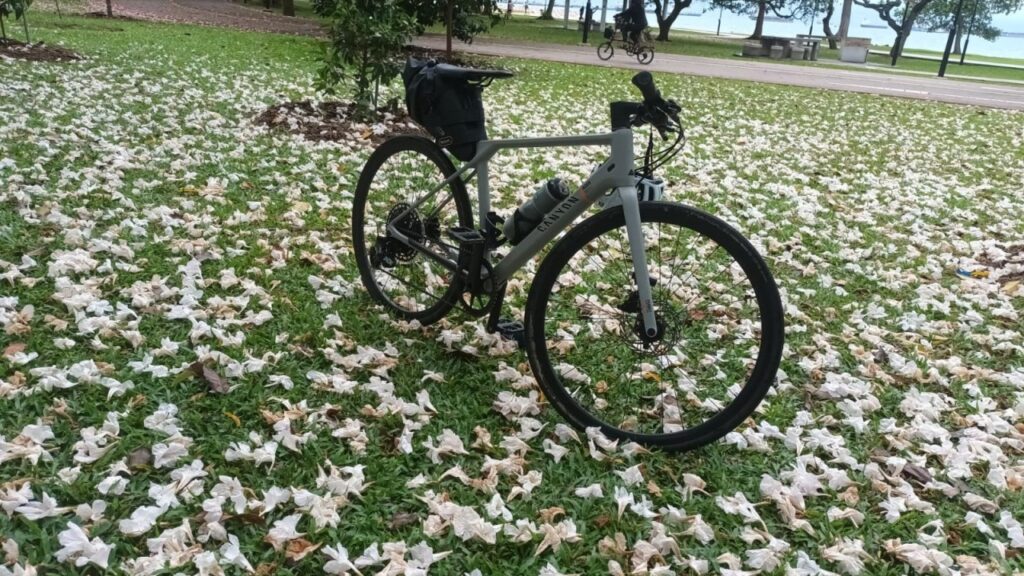
2) Weekly Solitude Retreats: Dedicate a few hours to creativity, mindfulness, or deep silence. Explore meditation, or embrace slow hobbies like cycling, fishing, reading, beach walking, bird-watching, or simply sitting in a café and watching children play. Encourage your partner to spend time in solitude. Make sure you’re offline during that time.
3) Daily Solitude Retreat : Carve out small pockets of solitude, like 10 minutes with coffee in your garden, 30 minutes of ritualised reading, or a walk in nature without headphones or your phone.